Cooling System Repair Alvin
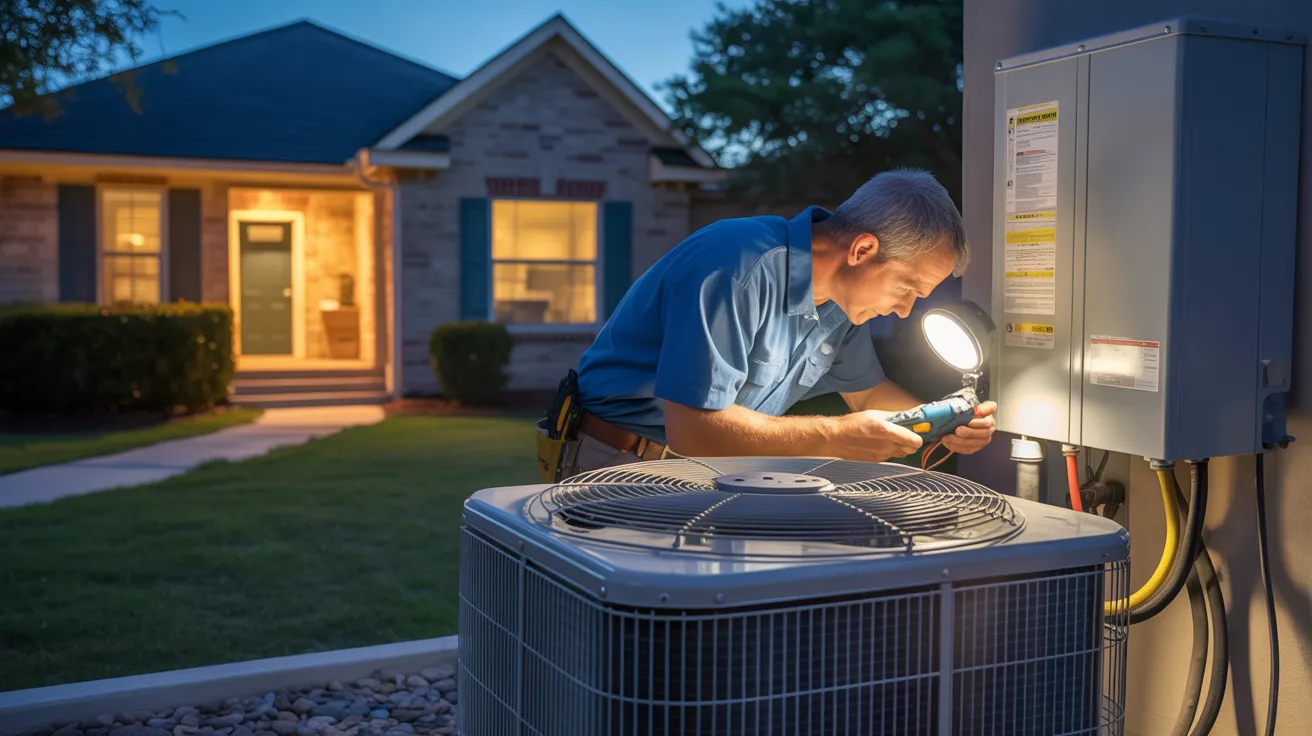
Alvin cooling system repair services you can rely on begin with verified diagnostics, not estimates. When your cooling system blows warm or weak air, runs longer, causes electrical trips, short cycles, or leaks water, you should hire a qualified Texas technician to measure airflow, static pressure, electrical readings, and refrigerant levels. You should also expect a written quote covering parts, labor, and compliance-related updates. The proper company resolves the real fault, brings back performance, and helps you understand whether fixing or replacing makes more sense.
Critical Points
- Choose an Alvin AC repair company with Texas licensing, insurance coverage, and technicians qualified to follow OEM service procedures.
- Reliable service starts with clear diagnostics, including airflow, electrical, and refrigerant testing, plus a written report before repairs begin.
- Warning signs like weak airflow, warm air, short cycling, strange sounds, or increasing humidity indicate your AC needs prompt inspection.
- Ask for an itemized estimate including parts, labor, refrigerant, and any code or drainage corrections before authorizing work.
- Read reviews for punctuality, correct troubleshooting, transparent pricing, warranty support, and successful resolution of repeat AC problems.
When You Need Alvin AC Professional Help
Commonly, your AC system provides distinct indicators before it ceases operation completely. You should arrange Alvin AC repair when air circulation weakens, supply air turns cool instead of cold, or cooling cycles run more extended than typical. Variable room temperatures, frequent breaker trips, and odd vibrations also demonstrate reduced performance that warrants timely inspection.
You may see increasing indoor humidity, delayed startup, or excessive on-off cycling. Those signs often point to regulation, wiring, or airflow faults that a professional can identify through control troubleshooting, electrical draw checks, and system pressure testing. Unusual odors, scraping sounds, or water around the air handler demonstrate conditions that can degrade components and lower Alvin Air Conditioning Repair efficiency. If your electric costs escalate without additional usage, your system likely needs service. Scheduled seasonal maintenance enables you detect these concerns before failure occurs.
AC Problem Factors in Alvin
In Alvin, your AC often suffers problems when dirty air filters restrict air delivery and increase system strain. You may also have refrigerant leaks, which reduce cooling ability, drop pressure, and can harm core components if they aren't being fixed promptly. If you discover these issues early, you can stop system loss, variable cooling, and more significant repair needs.
Soiled Air Filters
Frequently, clogged air filters cause AC problems by limiting airflow across the evaporator coil and forcing your system to function outside its designed operating pressure and temperature ranges. This airflow restriction reduces heat transfer performance, elevates blower workload, and can trigger coil icing, short cycling, and inconsistent supply temperatures throughout your home.
You'll often experience reduced vents, extended run times, increased energy consumption, and elevated dust accumulation when filter maintenance gets overlooked. A loaded filter can also affect static pressure readings, requiring diagnostic testing necessary before you assume a more serious mechanical fault exists. You should change or clean filters per manufacturer specifications, occupancy levels, and indoor air conditions. During service, your technician should check filter sizing, installation direction, cabinet sealing, and pressure drop to verify appropriate system airflow and reliable operation.
Refrigerant Leakage
As refrigerant escapes from your AC system, refrigeration capacity decreases because the evaporator and condenser lose the ability to maintain needed pressure levels and saturation temperatures for proper heat exchange. Increased run times, weak supply air, coil icing, or raised superheat and compressor discharge temperatures are commonly detectable symptoms.
You'll often locate leaks at brazed joints, Schrader cores, service valves, evaporator tubing, or rubbed line sets. Corrosion, vibration, improper installation, and age speed up breakdown. Simply adding refrigerant covers up the problem and can break code or manufacturer specifications. Leak detection must be carried out by a trained technician using nitrogen pressure testing, electronic instruments, or ultraviolet dye, followed by refrigerant recovery before opening the circuit. After-repair procedures involve evacuation, weighing in to factory charge, and verifying appropriate subcooling and unit performance.
Why Your AC Produces Hot or Low Air
A clogged air filter, low refrigerant, or leaking ductwork are common culprits when your AC produces lukewarm or poor air. Limited airflow usually results from a dirty filter, while temperature loss may point to refrigerant charge faults or duct leakage. You can determine the precise fault and restore proper unit performance through a comprehensive inspection.
Air Filter Blockage
A dirty air filter is frequently the most straightforward reason your AC delivers warm or poor air because it limits airflow across the evaporator coil and disrupts normal heat transfer.
Inspecting the filter first is recommended when diagnosing weak delivery from registers. Airflow restriction from a visibly dirty filter can decrease efficiency, increase run times, and strain blower components. The evaporator coil may get too cold in severe cases, which decreases performance even more. The filter size, MERV rating, and fitting direction should be confirmed to verify compliance with manufacturer requirements. Replace disposable filters on schedule, or clean reusable ones thoroughly. Consistent filter maintenance helps restore normal airflow, protects equipment, and supports consistent cooling performance.
Duct Or Refrigerant Faults
Beyond airflow obstructions, refrigerant faults and duct problems can also result in your AC deliver tepid or inadequate air. When refrigerant charge drops from leaks, your evaporator is unable to extract sufficient heat, so output temperatures rise and refrigeration capacity drops. You must not top off refrigerant without diagnosis; EPA-compliant technicians must detect leaks, repair them, and perform refrigerant recovery before restoring the system to manufacturer specifications.
Duct problems cause like symptoms. If cooled air leaks through loose joints, collapsed runs, or unsealed plenums, rooms obtain less air flow even when the blower operates normally. You may also have pressure variations that draw heated attic air into return ducts. A technician should inspect static pressure, close leaks, validate insulation, and conduct duct balancing so each register delivers the designed air movement and temperature.
How Alvin Professionals Detect AC Malfunctions
Begin with AC data and documented performance: an Alvin specialist will check thermostat instructions, inspect the air filter, and document supply and return temperature variance, static pressure, voltage, amperage, and refrigerant measurements before drawing determinations.
From there, you'll find experts evaluate those data against equipment standards and local code specifications. They employ assessment instruments to test capacitors, contactors, relays, blower function, condensate safety switches, and compressor winding integrity. They also review unit documentation, including previous repairs, recurring fault occurrences, and maintenance intervals, because data often reveal obscure causes. If airflow is insufficient, they'll identify impediments in ducts, coils, registers, or the blower assembly. If electrical measurements drift, they'll trace weak connections, irregularity, or PCB failures. This methodical procedure enables you get accurate diagnoses, code-compliant service, and repairs that resolve underlying causes.
Is It More Practical to Repair or Replace Your AC?
Your determination between AC repair and replacement should depend on confirmed condition, repair cost, efficiency loss, and residual service life—not guesswork.
You should review compressor integrity, refrigerant circuit leakage, blower operation, coil condition, and control-board reliability before deciding.
If the failure is singular and your system operates within manufacturer specifications, repair usually makes sense.
If testing shows repeated component degradation, decreasing energy efficiency, R-22 dependence, or structural corrosion, replacement is usually the appropriate option.
Evaluating SEER performance against present standards, confirming duct compatibility, and evaluating warranty transferability if the property transfers hands should also occur.
Whether your present equipment is correctly sized will be indicated by a professional load calculation and static-pressure test.
That data allows you reach a defensible decision based on performance, risk, and sustained reliability.
How Much Should You Budget for Alvin AC Repair?
AC repair prices in Alvin can differ significantly, but you can narrow the estimate by evaluating the defective component, diagnosis outcomes, refrigerant type, service duration, and regulatory fixes. Replacing a capacitor or contactor is generally more affordable than repairing a blower motor, electronic board, or evaporator coil. Material charges increase rapidly if your system requires obsolete refrigerant.
You should also factor in leak testing, electrical testing, air flow measurement, and thermostat calibration, since validated diagnostics influence total labor. Seasonal pricing can increase rates during summer peak season, and emergency fees apply when you schedule after-hours or weekend service. Your invoice will rise if the technician must repair unsafe wiring, drainage issues, or clearance violations to achieve code compliance. Ask for an detailed quote so you can evaluate parts, labor, and code-related corrections accurately.
How to Choose a Reliable Alvin AC Repair Company
Compare Alvin AC repair companies by verifying the criteria that impact service standards: Texas licensing, liability insurance, diagnostic procedure, warranty terms, and documented expertise with your equipment type. Check the contractor deploys licensed technicians and complies with manufacturer service procedures.
Obtain a written diagnostic outline before authorizing repairs. The assessment must detail symptoms, test techniques, measured readings, failed components, and recommended corrective actions. Review warranty provisions for parts and labor, including restrictions and response times. Check whether the contractor keeps permits, safety training, and compliance records. Review customer reviews for patterns involving punctuality, accurate troubleshooting, pricing transparency, and callback resolution. Ask whether the team keeps common parts for your system brand. When you review these criteria objectively, you'll lower risk and choose a reputable Alvin AC repair service.
FAQ: Popular Q&A
Do Nearby AC Repair Businesses Provide Emergency or After-Hours Assistance?
Yes, many Alvin AC repair companies supply round-the-clock or after-hours service, so you can secure assistance when your system breaks down unexpectedly. You should verify round-the-clock response options, dispatch coverage, and technician credentials before scheduling. Established providers use quick diagnostics to isolate electrical, refrigerant, or airflow defects quickly. You'll also want to check overtime rates, parts stock, and anticipated arrival windows, so you can make a informed, knowledgeable service decision.
Can You Get Financing for Major AC Repairs in Alvin?
Yes—many Alvin AC repair businesses offer financing for major repairs, but the terms can impact your total cost. You'll often discover payment plans and credit choices tied to system diagnostics, repair range, and approval conditions. Before you proceed, verify interest rates, term periods, deferred-payment clauses, and service warranties. If you analyze the contract thoroughly, you can eliminate compliance issues, protect your budget, and restore cooling without excessive financial strain.
How Long Will Most Alvin AC Repair Appointments Require?
Most Alvin AC repair appointments take 1 to 3 hours, depending on equipment status, fault complexity, and parts procurement. You'll experience some appointment variability when technicians conduct diagnostics, test refrigerant levels, test power components, or order replacement parts. The average duration stays shorter for minor fixes like capacitor swaps and longer for compressor, blower, or leak-related repairs. You can cut delays by supplying system history and ensuring clear equipment access.
Do AC Repairs in Alvin Include a Service Warranty?
Yes—numerous AC repairs in Alvin include a service warranty, but coverage fluctuates sharply by technician and component. You secure peace of mind, but you must check exclusions. Evaluate whether the service warranty includes labor, parts, or only specific diagnostic corrections. Ask for written terms, period, claim procedures, and any conditional coverage stipulations. You should also ensure if poor maintenance, refrigerant leaks, or previous system faults cancel protection before approving service.
Does Scheduled Maintenance Help Prevent Future AC Repairs in Alvin?
Yes, scheduled upkeep can help you prevent future AC repairs in Alvin. By planning regular assessments, you lower wear and discover refrigerant problems, electrical problems, and airflow restrictions promptly. You also increase system effectiveness through regular filter replacements, coil maintenance, and thermostat calibration. Routine maintenance of your unit minimizes breakdown risk, prolongs component longevity, and satisfies manufacturer recommendations. This preventive practice helps you avoid pricey corrective repairs in the future.
Final Analysis
Immediate Alvin AC repair blocks minor faults from escalating to compressor failures when your system shows warning signs. In fact, limited airflow alone can decrease cooling efficiency by up to 15%, a obvious demonstration of how rapidly little concerns escalate. If you notice lukewarm air, low airflow, or regular cycling, you must have a thorough diagnosis, not guesswork. Opt for a qualified Alvin AC repair company that examines components, verifies root causes, and advises the most affordable repair or replacement path.